
TL;DR
Best Practices for website design and KW for bed and breakfasts: attractive, trustworthy photography, mobile-first design, and seamless direct booking engine. If potential guests can’t immediately envision themselves there, feel confident booking, and do so in less than 60 seconds, they’ll leave to an OTA or competitor.
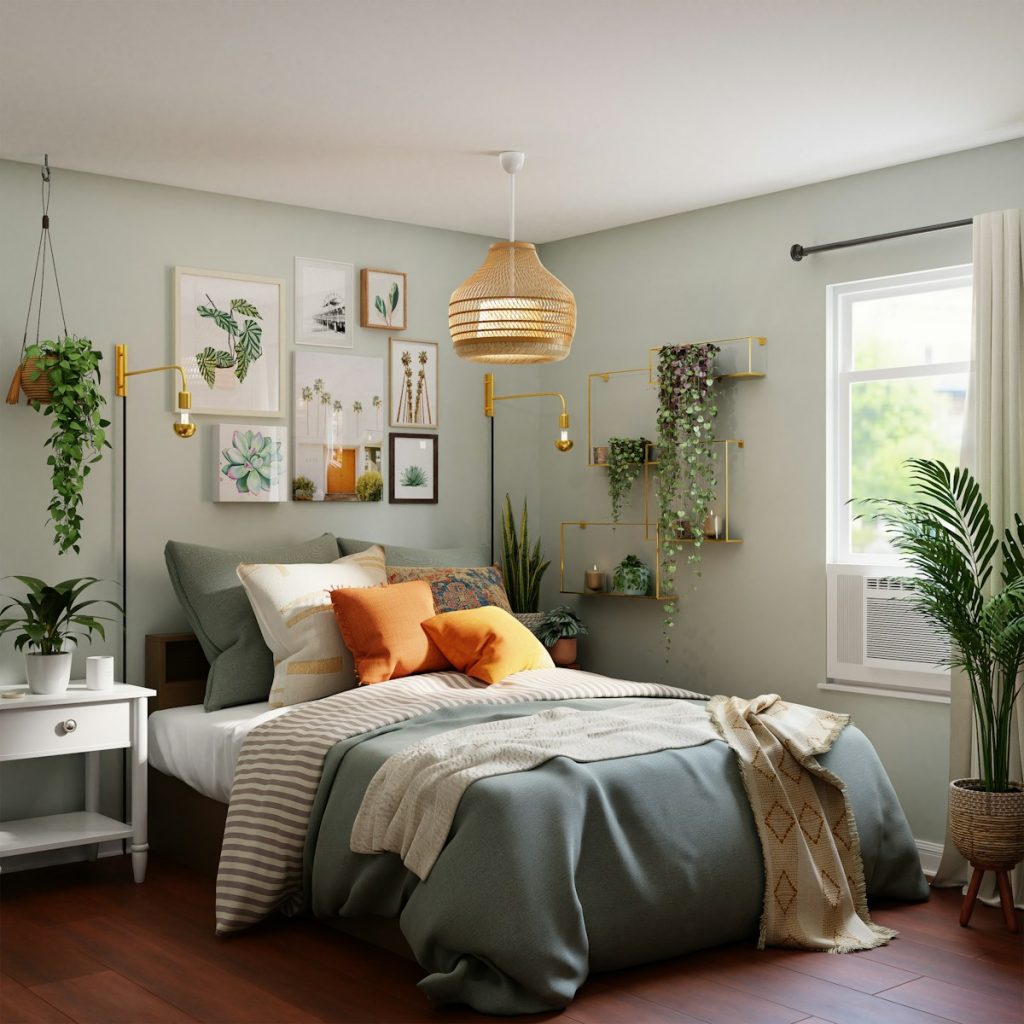
What are best practices for website design and KW for bed and breakfasts?
I find myself asking this question A LOT.
When we’re working on our website or our marketing, I always circle back to one question:
“What will make someone book us today, instead of ‘saving for later’ and disappearing?”
For me, the answer was simple:
Best KW for a B&B isn’t graphics and animations and snazzy sections. Instead, it’s designing a site that truly represents us AND eliminates EVERYTHING that stops someone between “This looks great” and “here’s my credit card”.
Here’s what I’ve learned (usually through a LOT of trial and error) about creating a B&B website that converts:
1. What do guests want to see first on a B&B website?
They want confidence. And they want it quickly.
Within seconds of landing on our site, guests are trying to work out:
- Is it clean? Is it comfortable?
- Is it where they want to be?
- Do they feel the vibe? Cosy. Modern? Traditional? Romantic?
- Can they book now without calling/emailing
- Do I trust this place?
Which is why best-in-class KW begins with clarity & confidence:
- Hero image that showcases our most popular room/location (not a stockimage beach)
- Value statement succinctly says why they should book with us
- Visible Book Now button above the fold
- Easy access to rooms, rates, availability, parking/breakfast info etc.
2. Why mobile-first design is non-negotiable for bed and breakfast bookings.
Because guess where people are researching and booking B&Bs?
- On their phones.
- Often while commuting, scrolling in bed, or comparison shopping on the couch.
- If our site takes ages to load on mobile or looks weird or wrong on a touchscreen, then we’re effectively slamming the door in their faces. Mobile-first isn’t optional — it’s standard
Mobile-first best practices for B&B websites include:
- Layouts that respond smoothly to any screen size
- Big buttons that are easy to tap (yep, that means Book Now!)
- Menus that are easy to navigate with one hand
- Short forms/pages with autofill during booking process
- Speedy load times on 4G/5G wifi connections.
- Bonus: Google prioritises mobile-friendly websites in search results using mobile-first indexing. Basically: if your mobile website is bad, you’ll likely struggle to see well in Google (and gain conversions) too.
3. How do professional photos and storytelling increase direct bookings?
Photos let us “open the front door” for guests before they arrive.
In my experience, guests don’t just want to know what a bedroom looks like. They want to feel like they can picture themselves there.
Best B&B websites incorporate professional photography of:
* Bedrooms (including wide-angle shots and detail shots)
* bathrooms (always clean, bright and honest)
* breakfast (looks homemade and delicious)
* amenities (where guests will spend time besides bed/shows unique selling points: parking, garden, fire place, lounge/view)
* Consistent lighting/colouring throughout images
Make sure you are crafting a Story-telling website:
- A brief “about us” section
- why you started this BNB / love about your location
- why guests love staying with you most (pull reviews)
- Having genuine photos also eliminates guesswork which pushes people towards OTAs “just to double check reviews”. And if guests go to OTAs, we miss out on direct booking.
4. What makes a booking engine “frictionless” for bed and breakfast websites?
Think of friction as anything that makes booking feel slow, complicated or frustrating. Even if guests WANT to book with us, don’t give them a reason not to!
Tips for a frictionless booking engine:
- Book Now button is visible on every page. (preferably in the header)
- Booking flow is:
- quicker than competitors
- obvious what to do
- as few steps as possible
- optimised for mobile devices
- Transparent pricing (no shock fees at checkout, clear cancellation policy)
- Quick confirmation page / professional email receipt.
- Need guest email? Make sure there’s an option to book as a guest (not forcing them to create an account)
- If your booking process is hidden under a menu, on a “Rates” page, or can only be accessed by contacting you directly, you’re creating friction.
Friction causes delays. Delays cause people to change their mind and book elsewhere.
5. How do trust signals and reviews increase B&B website conversions?
Anyone can have amazing website photos. But if guests don’t see some proof that we’re legit, they won’t trust Booking with you.
On B&B websites that convert, you’ll notice:
- Reviews positioned near key decision-making moments (homepage, room descriptions, and booking page)
- Logo badges: awards/quality ratings/google/ affiliated with)
- Contact details/address visible on all pages (not just the footer)
- FAQs that address common pain points/questions (late check-ins, parking, pets, special diets etc.)
- Best trust signals for bed and breakfast websites (in my experience)
Visible ratings/reviews (Google / TripAdvisor / booking platform snippets) - Accreditations that we have earned sincerely earned)
- Real photos of staff / not stock images
- Transparent policies / conditions (don’t hide behind weasel wording)
6. What does “local SEO” mean for B&B websites?
SEO helps ensure that when guests search for:
- “bed and breakfast [AREA]”
- “bnb near me / XXXXXXXX” (where XXX is a landmark)
- “places to stay in [TOWN/CITY]”
- “guesthouse with parking [AREA]”
Then your website shows up.
Tips to optimise your B&B website for local SEO:
Create dedicated pages/content that allow Google to easily understand:
- What we offer
- Where we are located
- Local keywords we’re optimised for
- Include clear NAP (name, address, phone) details that match other online sources like our Google MyBusiness
- Include schema markup if possible ( LocalBusiness / Hotel)
- Include a Google Map / mentions of location/parking
- Create pages targeting likely search intents, including:
- Rooms
- Breakfast
- Local Guide (what’s nearby? Walking routes, restaurants, attractions)
- FAQs
Allow Google to easily link guests searching for a B&B with the pages they need to book.
7. Why website speed and performance are important for bed and breakfast owners
Guess which part of your site has the biggest impact on website performance?
Images.
We NEED large, beautiful photos for our industry. But photos are also the number one reason our sites run slow.
Optimise your B&B website without sacrificing visuals by:
- Using compressed images ( Google’s WebP format)
- Lazy loading images/galleries
- Choosing lightweight themes/plugins
- Removing cluttered code and using caching
I’d say that losing a guest because your site took 3 seconds too long to load is more common than most realise.
8. Most common website design mistakes to avoid for B&B websites
These are more prevalent than they should be, and drive me bananas.
- A site that looks tired and dated
- A lack of photos
- A booking process that scares guests away
- If I had to sum up my “don’t do this!” list to B&B website designers, it’d be this:
- Don’t use overcrowded templates or autoplay sliders
- Don’t hide your rates/availability/booking process behind clicks
- Don’t use tiny fonts, PDF menus, or image galleries that take ages to load
- Don’t make guests have to “enquire” about booking
And that’s a quick overview of Best Practices for Website Design and KW for bed and breakfast services.
If you boil best KW down to its core, it’s pretty simple:
Best website design for B&B’s is where beautiful meets bookings.
The design is an extension of our BRAND. Clear. Compelling. Easy to navigate.
The website looks great on mobile.
Booking with us is obvious AND can be done in under a minute.
Photos and guest reviews are front-and-centre.
We show up in Google when someone is looking for a B&B.
And the website loads quickly.
Stop treating your website like an online brochure…. start leveraging it for what it is: the most powerful direct booking tool in your arsenal.